Factories in Huizhou & Dongguan, ChinaSales office in Dubai, UAE
[email protected]Mr Nanshan Fu · WhatsApp +86 186 7522 3314UAE +971 58 838 8922
Architectural glass

Low-Iron (Ultra-Clear) Glass

High-clarity glass made with much less iron, so thick panels, white back-painted glass and displays look truly clear instead of green.

  • 3–19 mm
  • Up to 2440 × 3660 mm
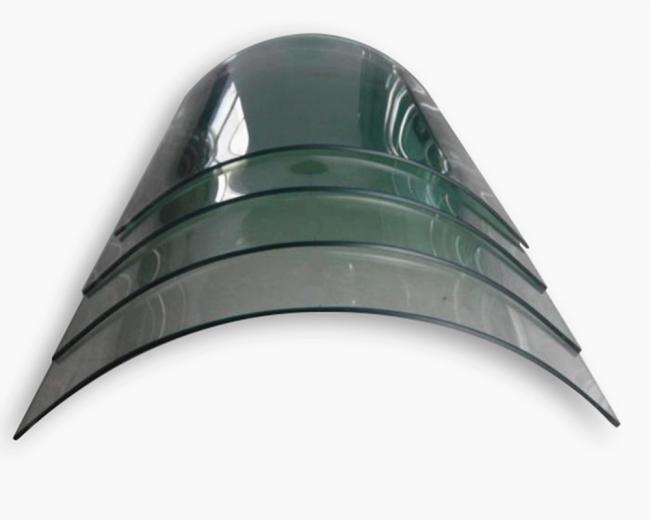
  • Flat or bent
Request the technical data sheet
What is low-iron (ultra-clear) glass?

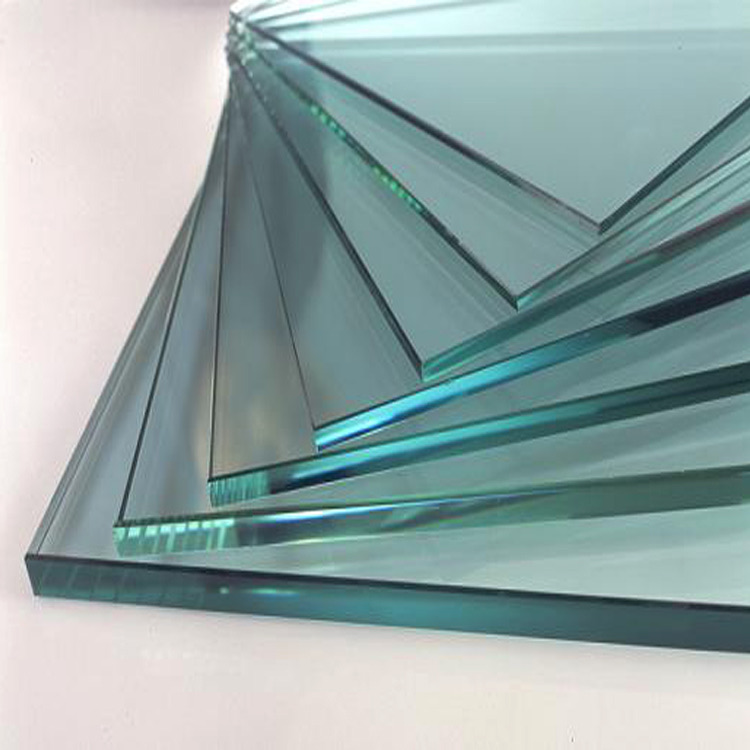
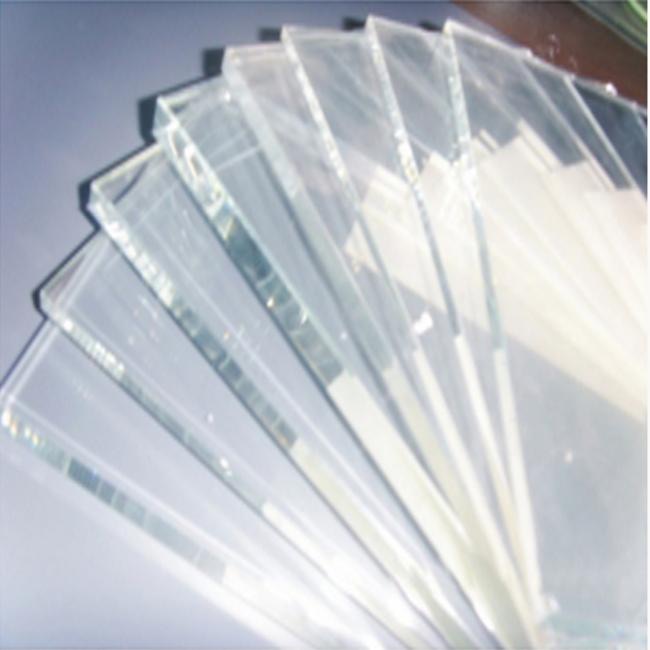
Low-iron (ultra-clear) glass is float glass made from raw materials with a much lower iron content. It removes the green-blue tint visible at the edges and in thick sections of ordinary clear glass, transmits more light and shows colors more faithfully. Hopson processes low-iron glass 3–19 mm, flat or bent, up to 2440 × 3660 mm.

Specifications

Low-Iron (Ultra-Clear) Glass Specifications

MaterialLow-iron (ultra-clear) float glass
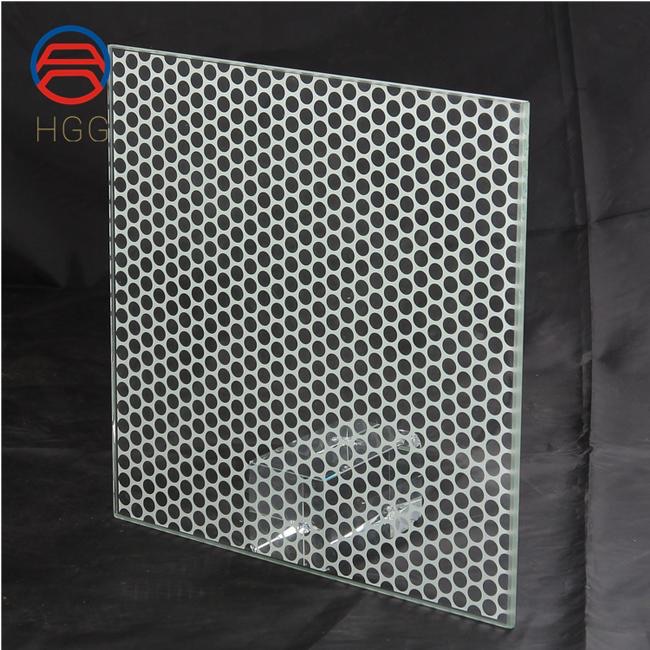
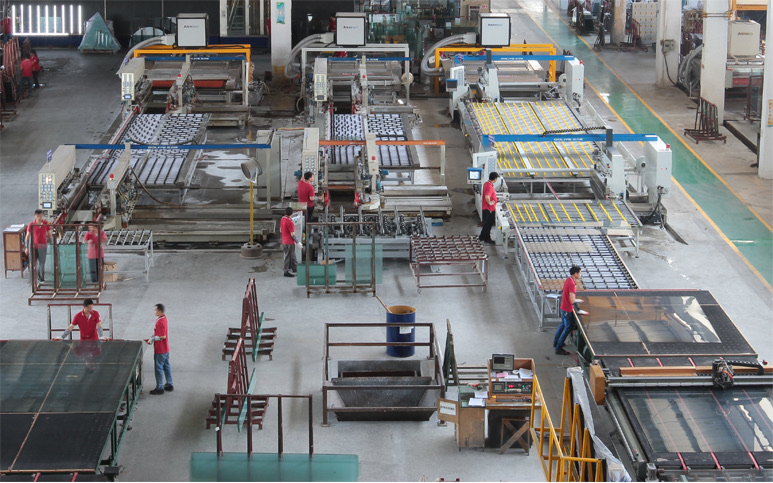
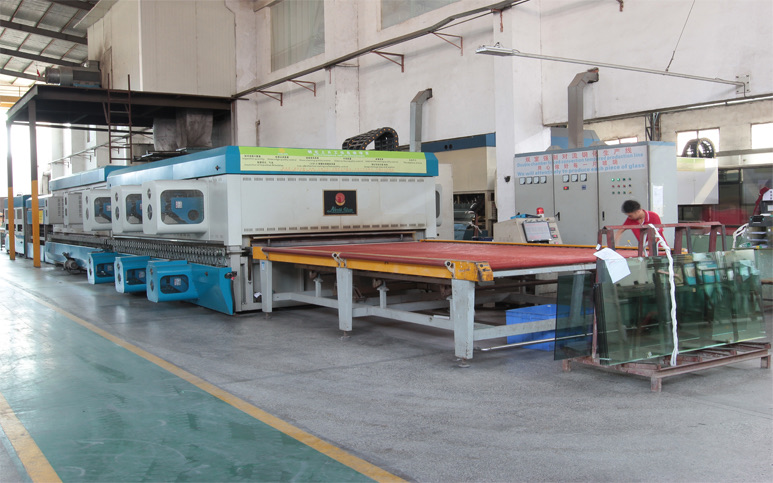
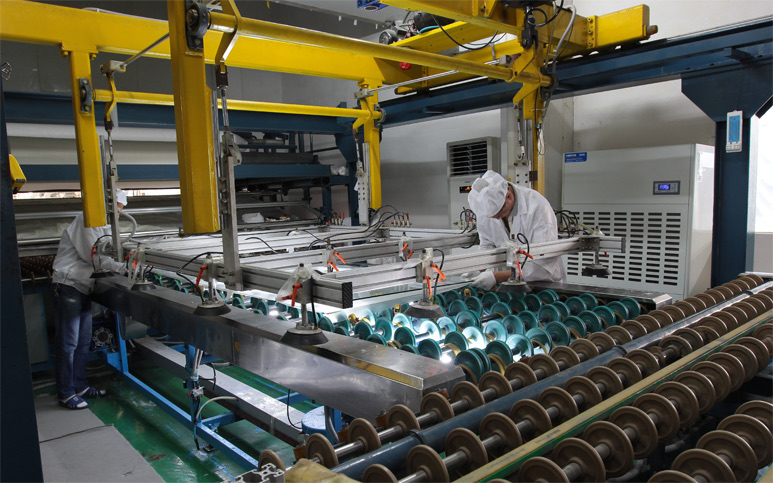
ProcessingTempering, laminating, insulating, bending, printing
Thickness3–19 mm
SizeMin. 300 × 300 mm – Max. 2440 × 3660 mm
Edge workFlat, pencil, beveled, polished D, C, ogee
ShapesFlat, bent
Payment30% T/T deposit, 70% against shipping documents
MOQ / lead timeConfirmed with each quotation – mixed sizes welcome
Why low-iron (ultra-clear) glass

Why Choose Low-Iron (Ultra-Clear) Glass

01

True color

No green tint, so whites and light colors on back-painted or printed glass look right.

02

Clarity in thick glass

Railings, laminated floors and facades stay clear even in multi-ply build-ups.

03

Consistent color

Lower iron content gives a more consistent appearance across panels.

Low-Iron vs Standard Clear Float Glass

Low-iron glassClear float glass
Edge colorNearly colorlessGreen-blue tint
Light transmissionHigherLower, especially in thick glass
White / light paint colorsAccurateShifted toward green
CostHigherLower

When it is worth paying for

Low-iron glass makes the biggest difference in thick or multi-ply glass, in back-painted or printed white and pastel colors, and in displays, showcases and table tops viewed edge-on. For tinted or Low-E facades the difference is often small.
Applications

Where Low-Iron (Ultra-Clear) Glass Is Used

All applications

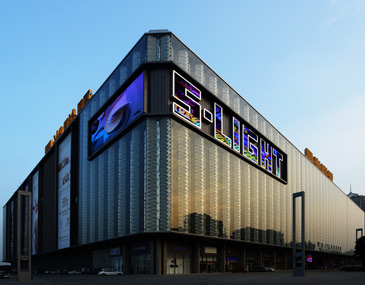
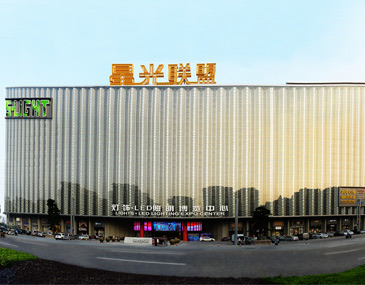
Glass facades

Ultra-clear insulated curtain walls.

Railings & balustrades

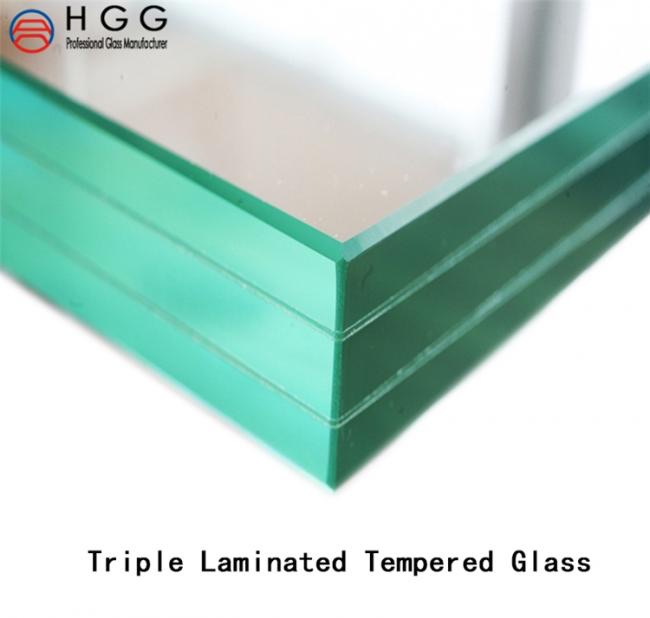
Clear laminated barriers without green edges.

Display cases & showrooms

Maximum transparency for products.

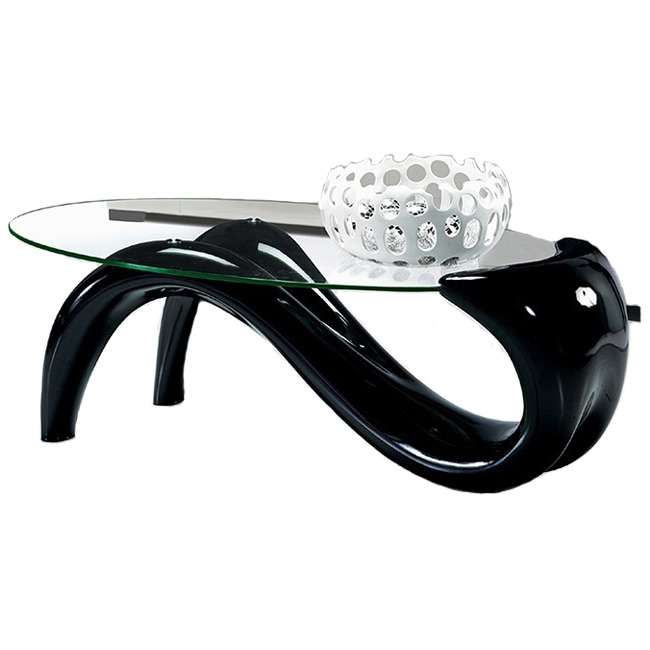
Table tops & switch panels

True-white back-printed and painted glass.

Application guides: Balustrades & Railings

Projects using our low-iron (ultra-clear) glass

Quality & packing

Inspected, Crated and Container-Ready

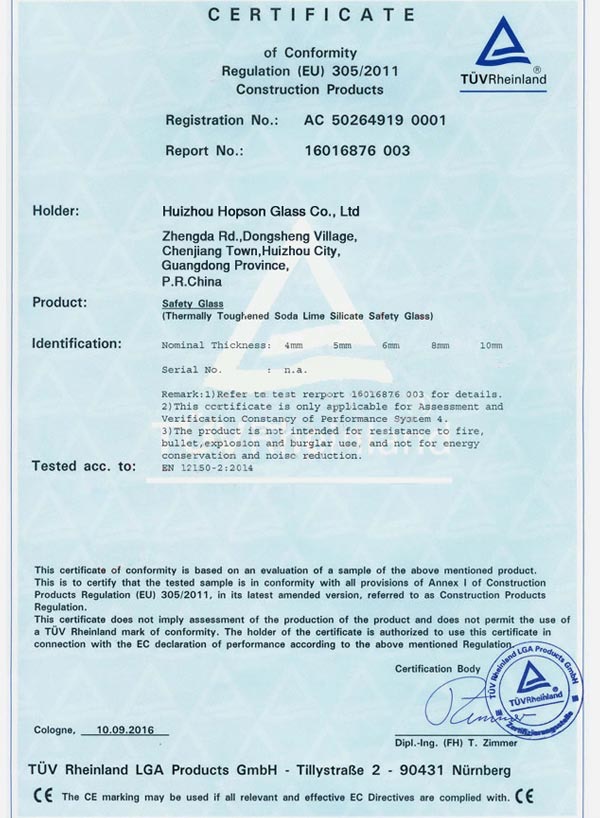
CE – EN 12150 safety glass (tempered)

Quality control

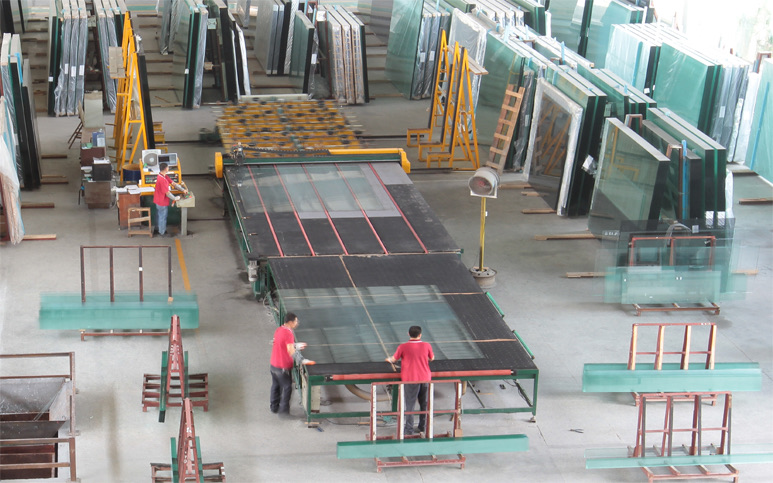
  • Every panel is checked for size, flatness and appearance.
  • fragmentation tests to EN12150 are carried out on a sample basis.
  • Test reports available on request.
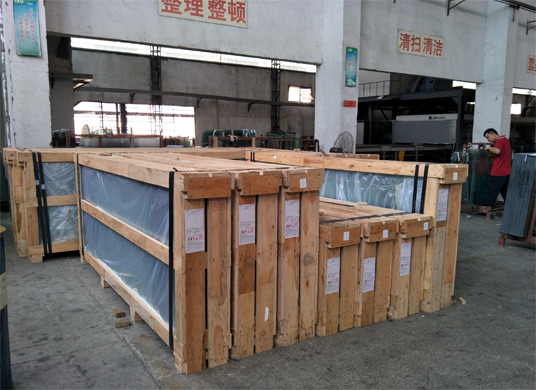
Plywood crates for tempered glass

Export packing

  • Panels are separated with interleaving or cork pads
  • 15 mm fumigation-free plywood crates
  • suitable for sea and land freight
FAQ

Low-Iron (Ultra-Clear) Glass FAQ

What is the difference between low-iron and clear glass?

Clear float glass contains iron oxide that gives it a green tint, most visible at the edges and in thick glass. Low-iron glass has much less iron, so it looks nearly colorless.

Can low-iron glass be tempered and laminated?

Yes, it can be tempered, laminated, insulated, bent and printed like standard glass.

Is low-iron glass worth it for my project?

It is most worthwhile for thick or laminated glass, white or light printed colors, and displays. Send us your application and we will advise.

Further reading

Technical Guides

Energy-saving glass

Single, Double or Triple Silver Low-E Glass: How to Choose

Glass materials

Low-Iron (Ultra-Clear) Glass vs Standard Clear Float Glass

Request a quote

Get a Low-Iron (Ultra-Clear) Glass Quote

Send your sizes, thickness and quantity, or upload a drawing. Our sales engineers reply within 24 hours.